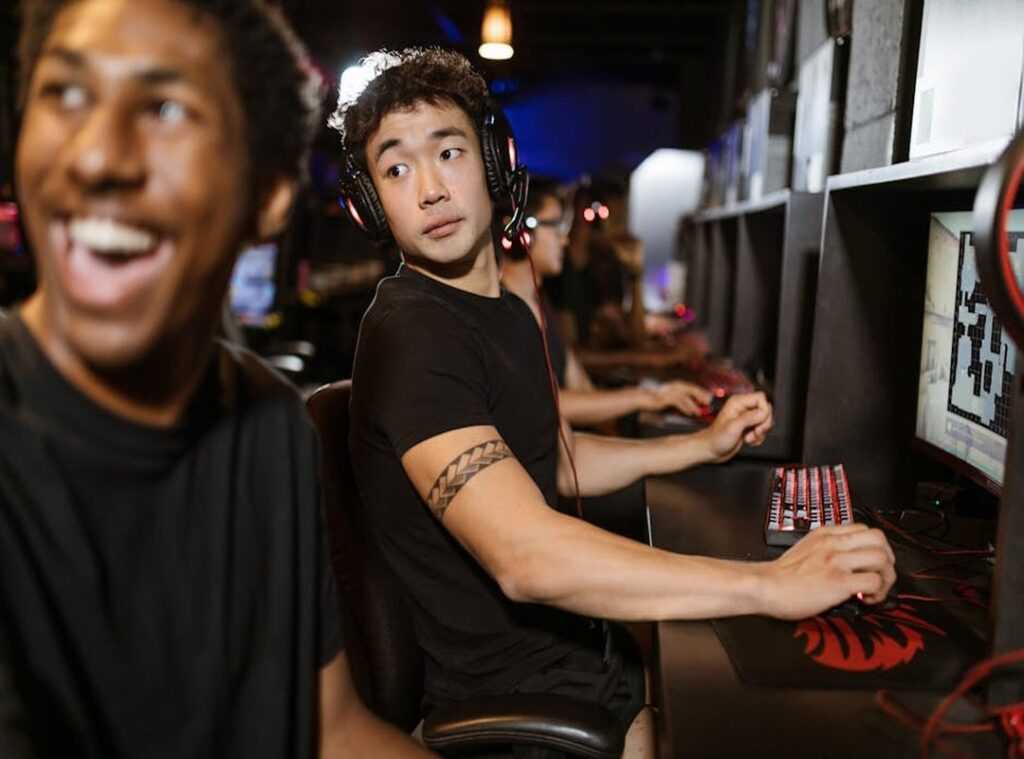

Every competitive match generates thousands of data points—APM spikes, crosshair placement, ability timing, positioning errors—yet most players rely on gut feelings and basic K/D ratios to improve. That gap is costing you wins. This guide shows how to turn raw clicks into calculated, rank-climbing decisions using the same esports analytics tools trusted by high-level competitors and performance coaches. Drawing on insights from pro players, VOD reviewers, and data-driven training methods, we break down the modern software stack that transforms gameplay stats into clear action plans. If you’re ready to stop guessing and start optimizing, this is where your real improvement begins.
Why Your Gameplay Data is an Untapped Goldmine
The scoreboard flashes. The crowd roars in your headset. Your KDA looks decent. But KDA (Kill/Death/Assist ratio, a basic performance stat) is a lagging indicator—it tells you what already happened. The real treasure? Leading indicators: positioning heatmaps glowing red where you overextend, economy efficiency ticking up like a metronome, ability timing down to the split-second click before impact.
These reveal “invisible mistakes”—errors you can’t feel mid-fight when your palms are sweaty and your heart is pounding. Think:
• Inefficient farming routes in MOBAs that cost you 200 gold by minute ten
• Predictable FPS rotations that echo like footsteps in an empty corridor
Modern esports analytics tools expose these patterns in COLD, HARD data. Some argue instinct matters more than spreadsheets. Sure—intuition wins moments. But championships? They’re built on adjustments measured in pixels and milliseconds (Moneyball, but with RGB lighting). In a game of inches, data is your EDGE.
The Three Tiers of Esports Analysis Software
Esports improvement isn’t one-size-fits-all. In fact, most players use the wrong tier for their goals (like bringing a calculator to a chess match).
Tier 1: Real-Time Overlays & Stat Aggregators
Tools like Blitz and Mobalytics act as live assistants. They deliver instant overlays, matchup insights, and post-game summaries that compare your stats to rank-based benchmarks. Think of them as performance dashboards: fast, digestible, and reactive. Critics argue they create “information overload.” Fair point. However, when filtered correctly, they highlight micro-mistakes—missed CS timings or poor ability trades—that are otherwise invisible mid-climb.
Tier 2: AI-Powered Coaching Platforms
GGPredict and Aim Lab move beyond surface stats. Using machine learning (systems trained to detect patterns in data), they analyze VODs or isolate mechanics like flick accuracy. This is the personal trainer tier. Instead of saying “aim better,” they prescribe drills targeting your weakest tracking angles. Some skeptics claim AI lacks human nuance. Yet data-driven personalization consistently improves mechanical consistency (see studies on deliberate practice in skill acquisition, Ericsson et al.).
Tier 3: Professional VOD Review & Scrim Analysis Suites
Pursuit and GameSense are built for teams, not solo grinders. Coaches dissect synchronized plays, map rotations, and opponent tendencies from scrims. Unlike entry-level esports analytics tools, these platforms emphasize collective decision-making patterns.
For deeper context, explore how real time data tracking is transforming esports coaching.
A Closer Look: Top Tools for Your Game Genre

Choosing the right tool isn’t about chasing flashy dashboards. It’s about fixing the exact weakness holding you back (yes, even if you’d rather blame teammates).
FPS Players (Valorant, CS:GO, Apex Legends)
For raw mechanics, Aim Lab is a staple. It isolates micro-skills like flick accuracy, target switching, and reaction time. One underrated feature? Pre-fire angle practice—training common peek spots so your crosshair is already where an enemy should be. Pair that with crosshair placement analysis to reduce over-aiming (a common DPS killer).
For decision-making, Blitz.gg shines. It reviews utility usage statistics, economy management, and positioning errors. For example, if your flash success rate is 22% while top-tier players average closer to 35% (based on community stat breakdowns), you’ve found a measurable gap to close.
Pro tip: Review one lost round in detail instead of skimming five wins. Losses reveal patterns faster.
MOBA Players (League of Legends, Dota 2)
Mobalytics and OP.GG focus heavily on macro play. They break down CS per minute vs. opponent, lane pressure, and jungle pathing efficiency. If you’re averaging 6.5 CS/min while your lane opponent hits 8.0, that gold gap compounds into item disadvantages by mid-game.
Vision score analysis is another eye-opener. Many players underestimate how vision correlates with win rate; Riot’s data has repeatedly highlighted its impact on objective control. Teamfight positioning heatmaps can also show whether you’re overextending before cooldowns reset.
Counterargument: Some players argue stats don’t capture “game sense.” True—but consistent data trends usually reflect repeatable habits.
Battle Royale Players (Fortnite, Warzone)
BR-focused esports analytics tools emphasize drop location success rates, looting efficiency (time to full loadout), and end-game rotation survival percentages. Placement consistency matters more than raw kills; tournament formats reward survival heavily.
If your average placement improves from 18th to 10th, that’s often more impactful than adding one extra elimination per match. Track trends over 20+ games to avoid one-match bias (we’ve all had that one lucky lobby).
How to Choose the Right Analysis Tool for You
Step 1: Define Your Goal (Individual vs. Team)
Are you grinding ranked like it’s Rocky’s training montage, or leading a squad like Captain America assembling the Avengers? Solo players often thrive with AI-driven coaching that gives instant feedback and personalized drills. Teams, on the other hand, benefit more from VOD review platforms that break down coordination mistakes and timing gaps (yes, that mistimed ult mattered).
Step 2: Assess Your Game & Platform
Not all esports analytics tools support every title. Double-check compatibility with your main game and PC specs. Some overlays can nibble at your frame rate—fine for casual play, disastrous in a clutch round.
Step 3: Consider Your Budget (Free vs. Premium)
• Free plans: basic stats, post-match summaries
• Premium tiers: advanced AI insights, trend tracking, custom drills
Pro tip: Start free, then upgrade once you’ve hit a skill plateau.
Stop Guessing, Start Winning: Make Data Your Ultimate Teammate
Improvement in modern esports isn’t about grinding harder—it’s about getting smarter. Your match history already holds the blueprint for your next rank up. Every missed rotation, inefficient buy, or lost duel leaves behind clues. When you start treating data as your teammate, progress stops being random and starts being repeatable.
With the right esports analytics tools—whether it’s a real-time overlay, an AI coach, or a VOD analyzer—you can turn raw stats into a focused, actionable improvement plan.
Stop guessing. Download one free tool today, connect your account, and review your last three matches. Find one fixable pattern—and fix it.
 Velmira Zorthane has opinions about tech-enhanced gameplay systems. Informed ones, backed by real experience — but opinions nonetheless, and they doesn't try to disguise them as neutral observation. They thinks a lot of what gets written about Tech-Enhanced Gameplay Systems, Game Strategy Insights, Gaming Setup Optimization Tips is either too cautious to be useful or too confident to be credible, and they's work tends to sit deliberately in the space between those two failure modes.
Reading Velmira's pieces, you get the sense of someone who has thought about this stuff seriously and arrived at actual conclusions — not just collected a range of perspectives and declined to pick one. That can be uncomfortable when they lands on something you disagree with. It's also why the writing is worth engaging with. Velmira isn't interested in telling people what they want to hear. They is interested in telling them what they actually thinks, with enough reasoning behind it that you can push back if you want to. That kind of intellectual honesty is rarer than it should be.
What Velmira is best at is the moment when a familiar topic reveals something unexpected — when the conventional wisdom turns out to be slightly off, or when a small shift in framing changes everything. They finds those moments consistently, which is why they's work tends to generate real discussion rather than just passive agreement.
Velmira Zorthane has opinions about tech-enhanced gameplay systems. Informed ones, backed by real experience — but opinions nonetheless, and they doesn't try to disguise them as neutral observation. They thinks a lot of what gets written about Tech-Enhanced Gameplay Systems, Game Strategy Insights, Gaming Setup Optimization Tips is either too cautious to be useful or too confident to be credible, and they's work tends to sit deliberately in the space between those two failure modes.
Reading Velmira's pieces, you get the sense of someone who has thought about this stuff seriously and arrived at actual conclusions — not just collected a range of perspectives and declined to pick one. That can be uncomfortable when they lands on something you disagree with. It's also why the writing is worth engaging with. Velmira isn't interested in telling people what they want to hear. They is interested in telling them what they actually thinks, with enough reasoning behind it that you can push back if you want to. That kind of intellectual honesty is rarer than it should be.
What Velmira is best at is the moment when a familiar topic reveals something unexpected — when the conventional wisdom turns out to be slightly off, or when a small shift in framing changes everything. They finds those moments consistently, which is why they's work tends to generate real discussion rather than just passive agreement.