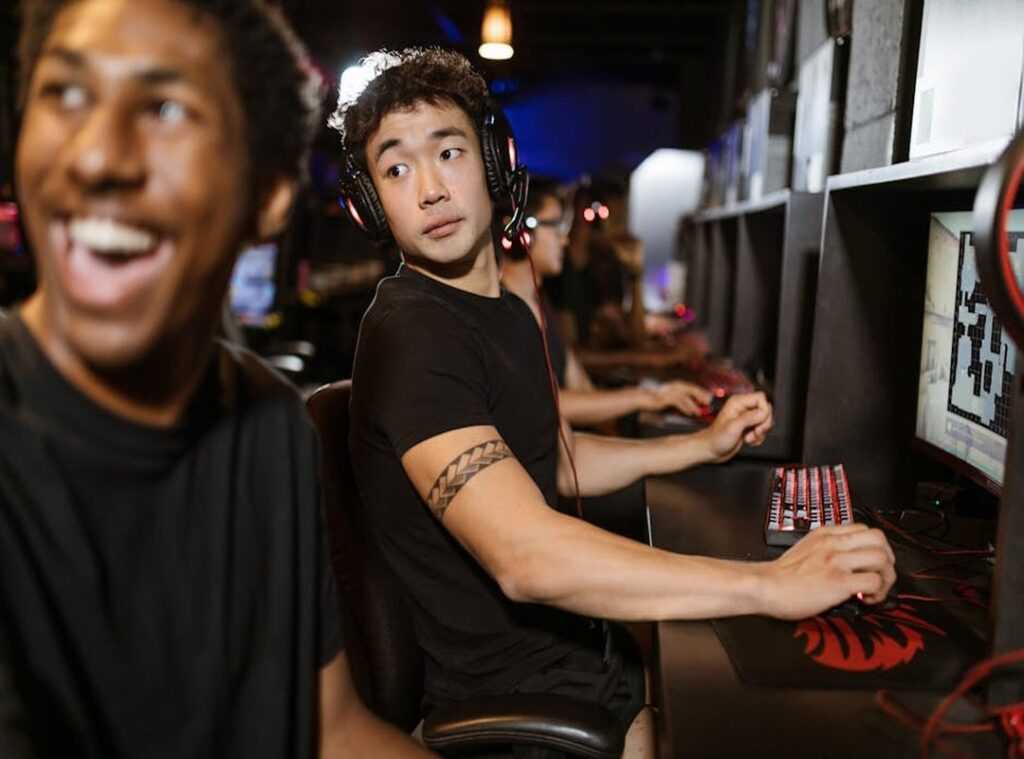

Managing an esports team feels like herding cats sometimes, right? You’re juggling Discord, spreadsheets, and endless chats. It’s chaos.
And let’s face it, this disorganization costs you time, causes missed opportunities, and keeps your team from reaching its full potential.
I’ve seen it all and know this struggle inside out. But there’s hope. This guide promises to break down the important categories of esports team management tools.
We’ll move you from that amateur chaos to professional efficiency. You’ll get takeaways from the trenches of the esports tech space, where we tackle real-world challenges every single day. Trust me, it’s time.
Beyond Discord: Your Team’s Communication Hub
We’ve all been there. Discord is a go-to for casual chats. But when you’re managing an esports team, it falls short.
No integrated calendars, performance tracking, or structured document storage. You get the point. It’s not ideal for handling serious operations.
Here’s the thing: you need a centralized communication hub. Imagine a platform where everything’s in one place. Communication, documents, calendars.
Smooth and organized. That’s what these dedicated team hubs offer. They integrate the tools you need and solve Discord’s shortcomings.
Let’s talk specifics. Take Guilded, for example. Have you heard of it?
This platform goes beyond chat. It offers built-in calendars, which are key for scheduling matches and practices. It also has forums for plan discussions (because text channels get messy), and media channels for VODs.
So, you’re not juggling apps or losing important info in endless threads.
Why does this matter? Well, a centralized hub reduces information silos. Everybody’s on the same page.
There’s a single source of truth for announcements, making things less chaotic. Plus, it creates a more professional environment for players and staff to work in. And let’s be honest, it looks more organized when you’re bringing in sponsors or new talent.
Social chat? That can stay on Discord. But for core team operations, a structured platform is important.
You’re probably wondering how this fits into the wider esports space. Well, as teams integrate augmented reality applications esports, having a solid communication hub becomes even more key. Keeping up with tech trends means upgrading how we manage teams.
So, if you’re serious about esports team management tools, it’s time to rethink your approach. Look beyond Discord. Trust me, your team will thank you.
Never Miss a Scrim: Scheduling Made Easy
Let’s face it. Scheduling is the bane of every esports team manager’s life. Different time zones?
Yup. Last-minute cancellations? Always.
Trying to find scrim partners is like herding cats. That’s why esports team management tools are life-savers. They automate those tedious tasks that nobody wants to deal with.
First, you need a platform with availability trackers. These let players mark their free times, so you can see at a glance when everyone’s available. No more endless back-and-forth messages.
Imagine this: your players input their availability for the week. The system then suggests the best times for practice and even finds available opponents. It’s like having a personal assistant that never sleeps.
Now, let’s talk about key features. Automated match creation is a game-changer. You set the parameters, and the platform does the rest.
Integrated scrim-finding networks are also key. They connect you with other teams looking for practice, making it easy to find scrims without the hassle.
For example, TEAMS.gg is excellent for casual teams. It’s straightforward and user-friendly. Lorgs, on the other hand, offers more advanced features for semi-pro teams.
They both have their strengths, depending on your team’s level and needs.
But don’t just take my word for it. Check out this esports management link for a deeper dive into the best platforms out there. Trust me, once you start using these tools, you won’t go back.
Pro tip: Choose a platform that allows for customization. Every team is different, and your tool should adapt to your needs. That’s the future of esports team management.
From Gut Feelings to Hard Data: Performance & VOD Analysis
Relying on gut feelings? Risky business. You might think you know how your team performed based on a win/loss record, but that doesn’t tell the whole story.

You need data-driven coaching to really get ahead. Sure, feelings can guide you, but they can’t compete with cold, hard facts.
Statistical analysis is where things start to shine. Platforms like Mobalytics for Teams or G-Loot offer takeaways that go way beyond the basics. Beyond just kill/death ratios, you get metrics like economy management and utility usage.
Ever thought about how your economy’s holding up in-game? These platforms show you just that. Not just a highlight reel of failures, but a roadmap for improvement.
Then there’s VOD review. Watching your games back is key, but you need tools to make it productive. Some platforms offer drawing and telestration features.
You can literally circle that moment where you totally messed up and discuss it with your team. Timestamped comments make feedback actionable, not just a vague recollection of “that one time.”
Why does this matter? Because esports team management tools aren’t just luxuries. They’re important for identifying and fixing recurring strategic mistakes.
It’s not just about individual errors. It’s about plan. Repeating the same errors won’t cut it if you want to win.
These tools turn potential into progress.
So how do you get started? Dive into Data Analytics Tools Esports Success and see how going beyond gut feelings can transform your team’s game. You’ll see how data can be a game-changer (literally).
Look at how others are doing it. Trust me, once you’ve seen it, going back to just ‘feeling’ will seem like a joke. Are you really willing to risk your game on a hunch?
Building Your Esports Tech Stack: The Essentials
Let’s talk tech stacks. Think of it as a set of tools that, like Voltron, come together to tackle all your management needs. But remember, there’s no one-size-fits-all when it comes to esports team management tools.
Your choices should fit your team’s game, your budget, and what you’re aiming to achieve.
Start with the ‘Bootstrap Stack’. It’s perfect for those just diving in. Use Guilded for your hub and communication needs.
Pair it with Google Calendar for manual scheduling (you’ll need some patience) and free versions of stat-tracking sites. It’s a solid foundation, especially if you’re just getting your feet wet.
Now, if you’re aiming for something a bit advanced, consider the ‘Semi-Pro Stack’. Guilded remains your anchor but start investing. A paid subscription to a scheduling and scrim-finding service can work wonders.
Add a premium analysis tool for individual performance takeaways. This setup saves time but gives you competitive data access.
Which stack sounds right for you? No matter where you begin, building a tech stack is all about adapting and evolving (just like in a game). Test, tweak, and find what truly elevates your team.
Championship Building Starts Here
Managing an esports team with generic tools? It’s a burnout waiting to happen. You need the right esports team management tools to open up your team’s full potential.
So, what’s your biggest headache now? Is it scheduling, communication, or performance tracking? Identify it, then dive into a tool from this guide that tackles it head-on.
Don’t let chaos overshadow your team’s talent. Organization is the secret sauce for championships. Ready to transform your management game?
Explore our guide, pick your tool, and start winning. Visit etesportech.com.co now and take that first step toward victory.
 Ask Frances Nunesards how they got into hot topics in gaming and you'll probably get a longer answer than you expected. The short version: Frances started doing it, got genuinely hooked, and at some point realized they had accumulated enough hard-won knowledge that it would be a waste not to share it. So they started writing.
What makes Frances worth reading is that they skips the obvious stuff. Nobody needs another surface-level take on Hot Topics in Gaming, Gaming Setup Optimization Tips, Expert Breakdowns. What readers actually want is the nuance — the part that only becomes clear after you've made a few mistakes and figured out why. That's the territory Frances operates in. The writing is direct, occasionally blunt, and always built around what's actually true rather than what sounds good in an article. They has little patience for filler, which means they's pieces tend to be denser with real information than the average post on the same subject.
Frances doesn't write to impress anyone. They writes because they has things to say that they genuinely thinks people should hear. That motivation — basic as it sounds — produces something noticeably different from content written for clicks or word count. Readers pick up on it. The comments on Frances's work tend to reflect that.
Ask Frances Nunesards how they got into hot topics in gaming and you'll probably get a longer answer than you expected. The short version: Frances started doing it, got genuinely hooked, and at some point realized they had accumulated enough hard-won knowledge that it would be a waste not to share it. So they started writing.
What makes Frances worth reading is that they skips the obvious stuff. Nobody needs another surface-level take on Hot Topics in Gaming, Gaming Setup Optimization Tips, Expert Breakdowns. What readers actually want is the nuance — the part that only becomes clear after you've made a few mistakes and figured out why. That's the territory Frances operates in. The writing is direct, occasionally blunt, and always built around what's actually true rather than what sounds good in an article. They has little patience for filler, which means they's pieces tend to be denser with real information than the average post on the same subject.
Frances doesn't write to impress anyone. They writes because they has things to say that they genuinely thinks people should hear. That motivation — basic as it sounds — produces something noticeably different from content written for clicks or word count. Readers pick up on it. The comments on Frances's work tend to reflect that.