

Ever felt like your gaming experience is missing something? You know the graphics are stunning, the storylines are gripping, but it still feels a bit flat. That’s where haptic feedback gaming comes into play.
Imagine feeling every explosion, every crash, every punch as if you were inside the game. It’s not just sound or sight anymore. It’s touch.
And touch changes everything.
Now, I know you’re skeptical. Does it really make a difference? Trust me, it’s a game-changer.
I’ve tested these systems (so you don’t have to), and the immersion is next level. It’s like the difference between watching a movie and being in one. This isn’t just tech bluster.
Real developers are integrating this into games you already love.
So, what’s in it for you? I’m diving into the nitty-gritty of haptic tech, exploring its potential to transform your gameplay. Stick around to discover how this tech could revolutionize your gaming world.
Tactile Response: A Feel for the Digital World
Tactile response is about feeling the digital world. Remember those old-school pagers that just buzzed annoyingly? That’s vibration.
A blunt instrument. Haptics are different. It’s like feeling the click of a virtual button on a screen.
Here’s the magic: haptic technology creates an illusion. Your brain thinks you’re feeling a gravel road’s texture or a rifle’s kick. It’s wild (and clever) how tech tricks us.
But why does this matter? Because it makes gaming immersive. Realer.
Let’s get a bit techy. There are two main kinds of feedback. Kinesthetic, which is like wheels and joysticks fighting back.
But mostly, it’s cutaneous feedback that steals the show. That’s the vibrations and sensations you get from controllers or vests. It’s the stuff the average gamer will notice.
Think about the Nintendo Switch’s ‘HD Rumble’ or the PlayStation 5’s DualSense controller. These are prime examples of modern haptics. You feel them as much as you see them. Haptic feedback gaming isn’t just about playing.
It’s about experiencing. That’s the real leap.
For those curious about tech’s marriage to sound, check out this adaptive sound systems gaming guide. It’s another layer of immersion bringing worlds to life. Let’s face it, gaming is no longer just pushing buttons.
It’s feeling every turn, every texture.
Pro tip: if you’ve never experienced this, try it. Seriously. You won’t want to go back.
Feeling the digital world is the future. And we’re just getting started.
The Tech Behind the Sensation: Feel the Game
Ever wondered what makes haptic feedback gaming so immersive? It’s all about the hardware, my friend. At the core, we have Linear Resonant Actuators, or LRAs.
Think of them as the high-definition speakers of vibration. These little guys can create a wider, more precise range of sensations. Compare that to the clunky old Eccentric Rotating Mass motors (ERM motors), and it’s like switching from a cassette tape to digital music.
Those ERM motors just spin a weight around, but LRAs? They know how to dance.
Now, let’s talk about haptic suits and vests. Ever tried one? If not, you’re missing out.
Brands like bHaptics and Woojer are leading the charge. They use multiple actuators to map in-game sounds or pre-programmed cues into physical sensations across your body. Imagine it as surround sound, but for your body.
You feel every explosion, every heartbeat. It’s not just sound. It’s a full-body experience.
And it’s not just suits. Specialized peripherals like gaming mice and racing pedals are also in the game. These devices offer tactile feedback for clicks or simulate ABS brakes kicking in.
It’s about making you feel like you’re part of the action. Not just a spectator.
But here’s the catch. All this hardware is only as good as the software behind it. Developers need to design those haptic cues intentionally.
They need to program specific actions, textures, and events into the game. Without that, you’re just wearing a fancy vest. This is where game developers really show their skills.
If you want to learn more about the magic of haptics, check out how haptics boost the gaming experience. It’s fascinating stuff.
In the end, haptic feedback gaming isn’t just a gimmick. It’s the next level of immersion. And once you try it, there’s no going back.
The Payoff: Immersive Gaming – More Than Just a Gimmick?
Is haptic feedback gaming just a neat trick, or does it actually transform your experience? Spoiler: it does. Imagine feeling the pitter-patter of rain on your controller.
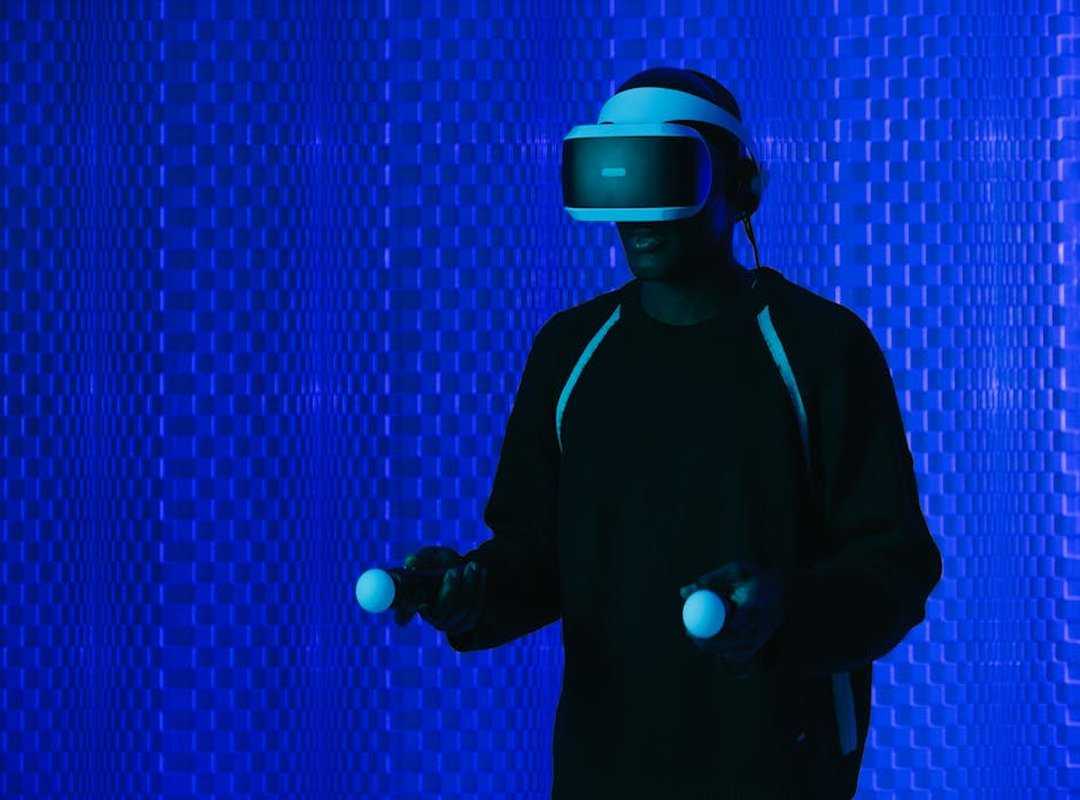
It’s not just about seeing the rain; you sense it. It’s a game-changer. Feeling your gun’s metallic kickback when you fire.
How much more real can it get?
This isn’t just for fun (though it’s undoubtedly fun). The competitive edge is real. In esports, haptics can be the secret weapon.
Directional feedback. Like sensing enemy fire on a haptic vest (provides) information faster than visual or audio cues. That’s a bold statement, but it’s true.
Consider your gameplay feedback. Ever timed a perfect parry in a soulslike game? Imagine if you could feel a unique vibration to confirm it.
That’s what haptics does. You’re not just seeing the engine redline in a racing sim; you feel it through the triggers. This tactile sensation makes learning and improving easier.
Accessibility shouldn’t be overlooked either. Haptics opens new doors for players with hearing impairments, offering an alternative sensory channel. It’s a small step towards inclusivity but an important one.
You might wonder if all this is just hype. It’s not. The tangible feel of virtual worlds makes them richer.
The subtle vibes from nearby footsteps or cooldown cues can signal victory in a high-stakes match. For those invested in immersive experiences, the vr headsets immersive gaming experience is a must-see.
In the end, haptics isn’t just an add-on. It’s a revolution in how we experience and perform in games. It’s time to feel the game, not just play it.
Dive into Tactile Gaming Today: How to Start
So, you’re curious about haptic feedback gaming. Well, you’re in for a treat. The easiest way to dive in is with a modern console controller.
The PS5 DualSense or Xbox Wireless Controller with Impulse Triggers are fantastic starting points. Why? Because they’re affordable and pack high-quality haptics.
Many PC games support them now too (super convenient).
If you’re a PC gamer or just want more (who doesn’t?), consider a haptic vest or seat cushion. These up the immersion game to a whole new level. But, pro tip: check game compatibility lists before you throw down that cash.
You don’t want to end up with a fancy gadget that just collects dust.
Niche peripherals like haptic mice or headsets can be great if you’re into specific genres. Think FPS games where every little vibration could give you an edge. Yeah, that sounds cool.
Before you take the plunge, consider your budget, the games you play, and how deep you want to go with immersion. Are you satisfied with just your hands vibrating, or do you want your whole body to feel the action? Answer those, and you’re ready.
Level Up Your Game with Real Feel
You know that feeling. You’re in the zone, but something’s missing. haptic feedback gaming changes everything. It’s not just about seeing the action anymore.
It’s about feeling it. This tech bridges the gap between visual and physical, making games more immersive and your instincts sharper.
Think about your favorite game. How would it feel with a tactile touch? Probably better, right?
So, why wait? Dive into the options we’ve discussed. See how this simple upgrade can make your play more intuitive and thrilling.
Check out the entry-level gear and feel the difference.
 Ask Frances Nunesards how they got into hot topics in gaming and you'll probably get a longer answer than you expected. The short version: Frances started doing it, got genuinely hooked, and at some point realized they had accumulated enough hard-won knowledge that it would be a waste not to share it. So they started writing.
What makes Frances worth reading is that they skips the obvious stuff. Nobody needs another surface-level take on Hot Topics in Gaming, Gaming Setup Optimization Tips, Expert Breakdowns. What readers actually want is the nuance — the part that only becomes clear after you've made a few mistakes and figured out why. That's the territory Frances operates in. The writing is direct, occasionally blunt, and always built around what's actually true rather than what sounds good in an article. They has little patience for filler, which means they's pieces tend to be denser with real information than the average post on the same subject.
Frances doesn't write to impress anyone. They writes because they has things to say that they genuinely thinks people should hear. That motivation — basic as it sounds — produces something noticeably different from content written for clicks or word count. Readers pick up on it. The comments on Frances's work tend to reflect that.
Ask Frances Nunesards how they got into hot topics in gaming and you'll probably get a longer answer than you expected. The short version: Frances started doing it, got genuinely hooked, and at some point realized they had accumulated enough hard-won knowledge that it would be a waste not to share it. So they started writing.
What makes Frances worth reading is that they skips the obvious stuff. Nobody needs another surface-level take on Hot Topics in Gaming, Gaming Setup Optimization Tips, Expert Breakdowns. What readers actually want is the nuance — the part that only becomes clear after you've made a few mistakes and figured out why. That's the territory Frances operates in. The writing is direct, occasionally blunt, and always built around what's actually true rather than what sounds good in an article. They has little patience for filler, which means they's pieces tend to be denser with real information than the average post on the same subject.
Frances doesn't write to impress anyone. They writes because they has things to say that they genuinely thinks people should hear. That motivation — basic as it sounds — produces something noticeably different from content written for clicks or word count. Readers pick up on it. The comments on Frances's work tend to reflect that.