
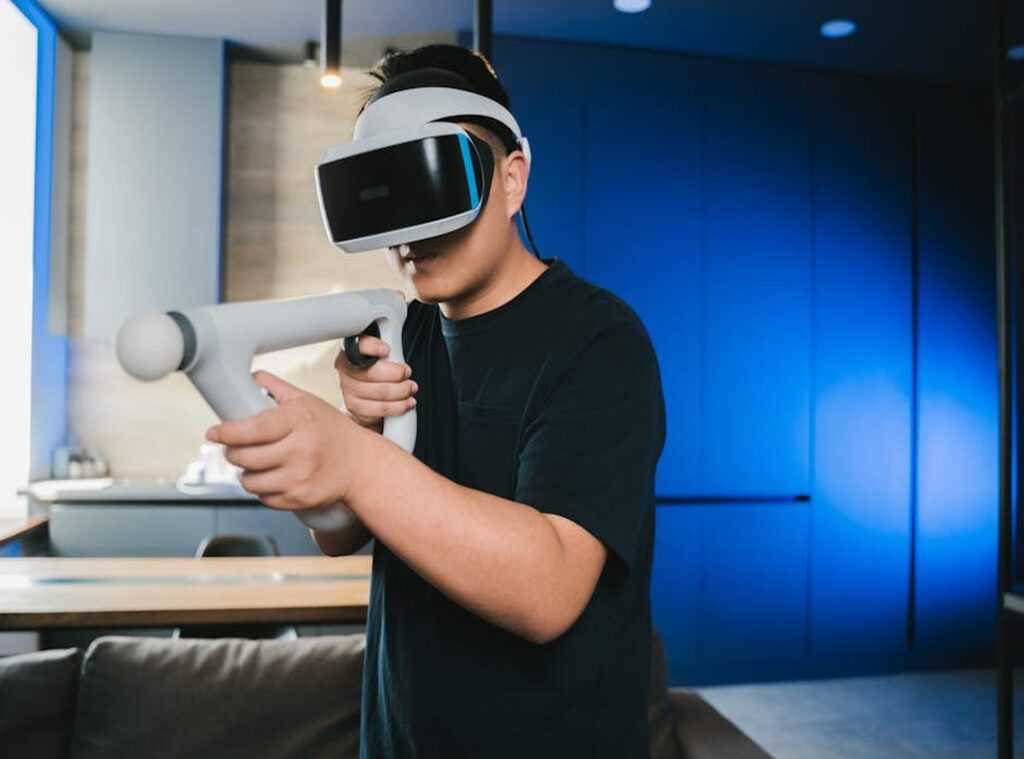
Have you ever found yourself so deep in a game that hours slip by unnoticed? It’s like the real world just fades away. Gamers often talk about ‘immersion’ like it’s some kind of magic, but what does that really mean?
We’re diving into what makes virtual reality modern gaming pull you in so completely.
Forget the buzzwords. This isn’t just about flashy graphics. It’s about how the right mix of tech, design, and psychology creates that smooth experience where you lose track of time.
This article is based on a deep analysis of current gaming tech and design strategies. We’ve studied everything from hardware to player psychology to understand this phenomenon.
Expect a clear, no-nonsense guide to what truly makes games immersive today. You won’t just hear the usual hype. Prepare to explore the real tech and creative strategies behind those captivating digital worlds.
The Pillars of Immersion: It’s More Than Just a Pretty Picture
When we’re talking about immersion in games, it’s not just about flashy graphics. It’s a combination of factors that trick our brains into believing we’re somewhere else. Let’s break it down.
First up, sensory immersion. High-fidelity audio and visuals work together to create a world so believable, you forget you’re sitting on your couch. Remember the sound design in “Hellblade: Senua’s Sacrifice”?
It made me feel like I was right there with Senua, battling my demons. And the photorealistic graphics in “Cyberpunk 2077” (even with its early glitches) set a new bar for visual detail. It’s not just eye candy; it’s an experience.
Then there’s narrative immersion. A compelling story and believable characters can pull you in deep. Games like “The Last of Us” and “Red Dead Redemption 2” do this brilliantly.
They make you care about the characters, making each decision feel weighty. Player agency and branching dialogues give you control over your story. You’re not just watching; you’re participating.
Finally, let’s talk psychological immersion. Achieving a “flow state” where your skills match the game’s challenge keeps you hooked. Intuitive controls and a clean UI are key here.
Nothing breaks immersion like a clunky interface. You stay in the zone, and time flies by.
As virtual reality modern gaming evolves, these pillars become even more key. It’s not just about playing a game; it’s about living it. Curious about where this is heading?
Check out the future mobile gaming growth to see what’s next on the horizon.
The Tech That Binds Us: Hardware’s Role in Building New Realities
Let’s talk hardware. Not the boring nuts and bolts stuff, but the tech that makes virtual worlds buzz. First up, Virtual and Augmented Reality headsets like the Quest 3 or PS VR2.
These aren’t just glorified screens strapped to your face. They’re gateways to new dimensions. When you slip on one of these bad boys, your entire field of view is consumed.
Your movements? Tracked in real-time. It’s how you go from looking at a game to actually being in it.
Then you’ve got traditional gaming, which now feels ancient in comparison. Remember when gaming was about pressing buttons and watching a flat screen? With virtual reality modern gaming, you’re not just a player (you’re) a participant.
Haptic feedback is another game-changer. Forget the basic rumble packs of old controllers. Welcome to the future with the PS5’s DualSense.
So, what’s the big deal? It can mimic real-world sensations like rain tapping your skin or the crunch of gravel underfoot. The tension you feel in a bowstring?
It’s not just imagined. It’s felt.
Next, high refresh rates and low latency. Numbers like 120Hz might sound like tech jargon, but here’s the deal. They mean the difference between smooth gameplay and frustrating lag.
When your monitor refreshes quickly, you’re not waiting for the action to catch up. Instead, it flows as naturally as if you were there.
And ultrawide monitors? They’re like wrapping the game world around you. Larger field of view, more immersion.
You see threats coming from the sides. It’s like expanding your peripheral vision in real life.
In the end, it’s all about these physical devices creating new sensory experiences. They’re not just tools. They’re the backbone of what makes gaming today so immersive.
And if you’re not diving into this tech, you’re missing out on what could be your most immersive gaming experience yet.
Worlds That Breathe: Crafting the Unreal
Ever been in a game where the world feels like it’s alive? I’m talking about those times when your footsteps leave marks in the snow, like in ‘Red Dead Redemption 2’. It’s not just eye candy.

It’s the soul of the virtual environment. When a game world reacts to you, it feels real. It’s not just about fancy graphics or player-facing tech.
It’s about creating a changing space where every action feels meaningful.
Think about destructible environments in ‘Battlefield’. They change how you play. A wall crumbles, and suddenly, your plan shifts.
Or changing weather systems that make you adapt. You’re not just playing; you’re immersed. It’s like the game is watching you, and it matters.
AI and NPC behavior plays a big part too. In advanced games, NPCs don’t just stand around. They have routines, lives independent of you.
It makes the world feel less scripted, more unpredictable. Imagine if they learned from your actions! Like the AI knows you’re coming and adjusts.
It’s mind-blowing. But we’re headed with virtual reality modern gaming.
Environmental storytelling is another art form. In ‘Fallout’ or ‘BioShock’, you learn the world’s history through level design. Graffiti, scattered objects, audio logs (they) all whisper the story.
You discover the lore organically, not through cutscenes.
Want more on how streaming services changing gaming impacts these worlds? It’s a topic worth exploring. The way games are delivered and experienced is evolving.
It’s not just about playing. It’s about living in these crafted worlds. And trust me, it makes all the difference.
Amplifying Immersion: The Human Touch in Gaming
Immersion isn’t just about stunning graphics or killer soundtracks. It’s about people. Ever tried playing “Fortnite” solo? It’s fun, sure, but it pales in comparison to the chaos of a full squad. That’s the magic of live service games like “Destiny 2” and “Fortnite.” They keep the world alive with evolving content and live events that make these virtual spaces feel like they’re never the same day twice.
Let’s talk about co-op and multiplayer. Playing with real people adds a spice that AI simply can’t replicate (as sophisticated as it may be). Take games with smooth co-op systems; they practically beg you to grab a buddy.
When you jump into a match with friends, there’s unpredictability, shared purpose…a connection. You never know what might happen next, and that’s half the fun.
And then there’s the metaverse. It’s more than just a buzzword now. These virtual environments evolve beyond gaming into social hubs for concerts, hangouts, and community building.
The lines blur between game and platform. Heck, they practically disappear. It’s a brave new world, and it’s exciting.
Imagine a place where your friends can hop in and out of your virtual reality modern gaming sessions, making every experience a shared one.
Who would’ve thought our second life could be online? Crazy, right? But here we are, and it’s just the beginning.
Dive Into Your Ultimate Gaming Experience
Immersion isn’t just a vague notion. It’s a blend of tech, design, and connection. We all want that true escape, right?
By zeroing in on these important pillars, you can identify but truly seek out the best experiences. This isn’t just about virtual reality modern gaming; it’s about making wise choices with your gear. So why wait?
Start exploring our other articles on the latest gaming tech and hardware reviews. It’s time to build that perfect setup. Ready to raise your game?
Head over to etesportech.com.co and begin your journey.
 Ask Frances Nunesards how they got into hot topics in gaming and you'll probably get a longer answer than you expected. The short version: Frances started doing it, got genuinely hooked, and at some point realized they had accumulated enough hard-won knowledge that it would be a waste not to share it. So they started writing.
What makes Frances worth reading is that they skips the obvious stuff. Nobody needs another surface-level take on Hot Topics in Gaming, Gaming Setup Optimization Tips, Expert Breakdowns. What readers actually want is the nuance — the part that only becomes clear after you've made a few mistakes and figured out why. That's the territory Frances operates in. The writing is direct, occasionally blunt, and always built around what's actually true rather than what sounds good in an article. They has little patience for filler, which means they's pieces tend to be denser with real information than the average post on the same subject.
Frances doesn't write to impress anyone. They writes because they has things to say that they genuinely thinks people should hear. That motivation — basic as it sounds — produces something noticeably different from content written for clicks or word count. Readers pick up on it. The comments on Frances's work tend to reflect that.
Ask Frances Nunesards how they got into hot topics in gaming and you'll probably get a longer answer than you expected. The short version: Frances started doing it, got genuinely hooked, and at some point realized they had accumulated enough hard-won knowledge that it would be a waste not to share it. So they started writing.
What makes Frances worth reading is that they skips the obvious stuff. Nobody needs another surface-level take on Hot Topics in Gaming, Gaming Setup Optimization Tips, Expert Breakdowns. What readers actually want is the nuance — the part that only becomes clear after you've made a few mistakes and figured out why. That's the territory Frances operates in. The writing is direct, occasionally blunt, and always built around what's actually true rather than what sounds good in an article. They has little patience for filler, which means they's pieces tend to be denser with real information than the average post on the same subject.
Frances doesn't write to impress anyone. They writes because they has things to say that they genuinely thinks people should hear. That motivation — basic as it sounds — produces something noticeably different from content written for clicks or word count. Readers pick up on it. The comments on Frances's work tend to reflect that.