

Competitive gaming is evolving faster than ever, and staying ahead now means understanding the technology reshaping every match. From smarter training tools to real-time performance tracking, innovations like ai match analysis esports are transforming how players prepare, compete, and improve. If you’re searching for ways to sharpen your edge, optimize your setup, or keep up with the latest esports tech trends, you’re in the right place.
This article breaks down the most impactful developments in gaming and esports technology, explains how they influence match outcomes, and highlights practical strategies you can apply immediately. We focus on actionable insights—whether that’s refining your in-game decision-making, upgrading your hardware for peak performance, or leveraging data-driven tools to outplay the competition.
Our coverage draws on in-depth research, hands-on testing of gaming tools, and close analysis of competitive trends to ensure you’re getting accurate, relevant, and up-to-date information that truly improves your gameplay.
Why Your Matches Feel Rigged
We’ve all been there: a brutal losing streak, teammates who seem lost, and opponents who play like pros on smurf accounts. It feels personal. It feels broken. However, the real issue often isn’t “bad luck” but outdated assumptions about matchmaking.
Traditional systems like Elo rank players mostly on wins and losses. That sounds fair—until you realize they ignore context: role performance, objective control, mechanical consistency. Consequently, truly balanced games slip through the cracks.
Modern developers now rely on ai match analysis esports models tracking hundreds of micro-actions per match, constantly recalibrating your lobby each round.
Beyond MMR: What AI Matchmaking Actually Measures
A few years ago, I queued into a ranked match convinced my high MMR meant I’d get evenly skilled teammates. Instead, our “star” player had amazing mechanics—and zero map awareness. We lost in 18 minutes. That was my first real clue that static skill ratings only tell part of the story.
Modern systems have shifted toward dynamic behavioral analysis. Instead of asking, “How good is this player overall?” they ask, “How does this player actually behave in real matches?” (Big difference.)
Here’s what that looks like:
-
Micro-level Actions: Actions Per Minute (APM), accuracy rates, click patterns, and ability usage efficiency. High APM alone doesn’t mean impact—efficient APM does. Pro tip: reviewing your own ability uptime often reveals more than your kill count.
-
Macro-level Strategy: Map positioning, objective control, resource management (economy), and team fight timing. A player who rotates early and secures vision can outperform a mechanically superior fragger. Think of it like basketball—spacing wins games, not just flashy dunks.
-
Behavioral Profiling: AI identifies archetypes like Aggressor, Support, or Anchor. Instead of stacking five risk-takers, systems balance team composition. This is where ai match analysis esports becomes powerful—measuring synergy, not just stats.
-
Tilt & Toxicity Detection: Sudden performance drops, erratic movement, or negative chat patterns can signal tilt. According to research from Riot Games on behavioral systems, proactive detection improves match quality and player retention (Riot Games, 2021).
Some argue MMR is simpler and “fair enough.” And sure, it’s clean. But real competition isn’t static—it’s psychological, strategic, and situational. AI matchmaking reflects that messy, human reality. (Finally.)
The AI Meta: Adapting Your Gameplay for the Algorithm
There’s a new meta most players ignore: the matchmaking meta. This isn’t about weapon balance or patch notes. It’s about playing in ways the algorithm rewards. Modern ranked systems rely on ai match analysis esports models that evaluate far more than your K/D. When you understand what’s being measured, you gain a measurable edge—better teammates, fairer lobbies, and faster climbs.
Strategy 1: Objective-Driven Play
Many players argue kills are the clearest indicator of skill. And yes, mechanical dominance matters. But most ranking systems heavily weight actions that lead to win conditions—tower damage, zone control, bomb plants, payload time. Why? Because objectives correlate directly with match outcomes (Riot and Valve have both confirmed win-based MMR systems in ranked modes).
What’s in it for you? Prioritizing objectives boosts your hidden rating even in scrappy matches. Ten smart rotations beat 25 empty eliminations (sorry, scoreboard heroes).
Strategy 2: Consistency Is Key
High-variance gameplay—dropping 40 kills one game and 5 the next—can confuse performance models. Consistent impact signals reliability. Even in losses, steady assists, low deaths, and objective pressure show transferable skill.
The benefit? Stable players get matched with other stable players. That means fewer chaotic lobbies and more competitive games.
Strategy 3: The “Good Teammate” Score
Communication pings, assists, healing, trading kills—these supportive metrics often factor into player evaluation. Positive behavior systems in games like League of Legends and Overwatch have publicly documented honor or endorsement tracking.
Being a good teammate isn’t just wholesome—it’s strategic. Better behavior often correlates with higher-quality matchmaking pools.
Exploiting AI Blind Spots
Some systems undervalue unconventional or off-meta picks because historical data is limited. If you master a niche strategy, you may outperform your rating before the model adjusts (Moneyball, but make it ranked).
Want to amplify these advantages? Pair smart play with the right setup—see streaming gear essentials for aspiring esports professionals to optimize performance.
Adapt to the algorithm, and the ladder starts working for you—not against you.
Emerging Trends: The Future of AI in Competitive Gaming
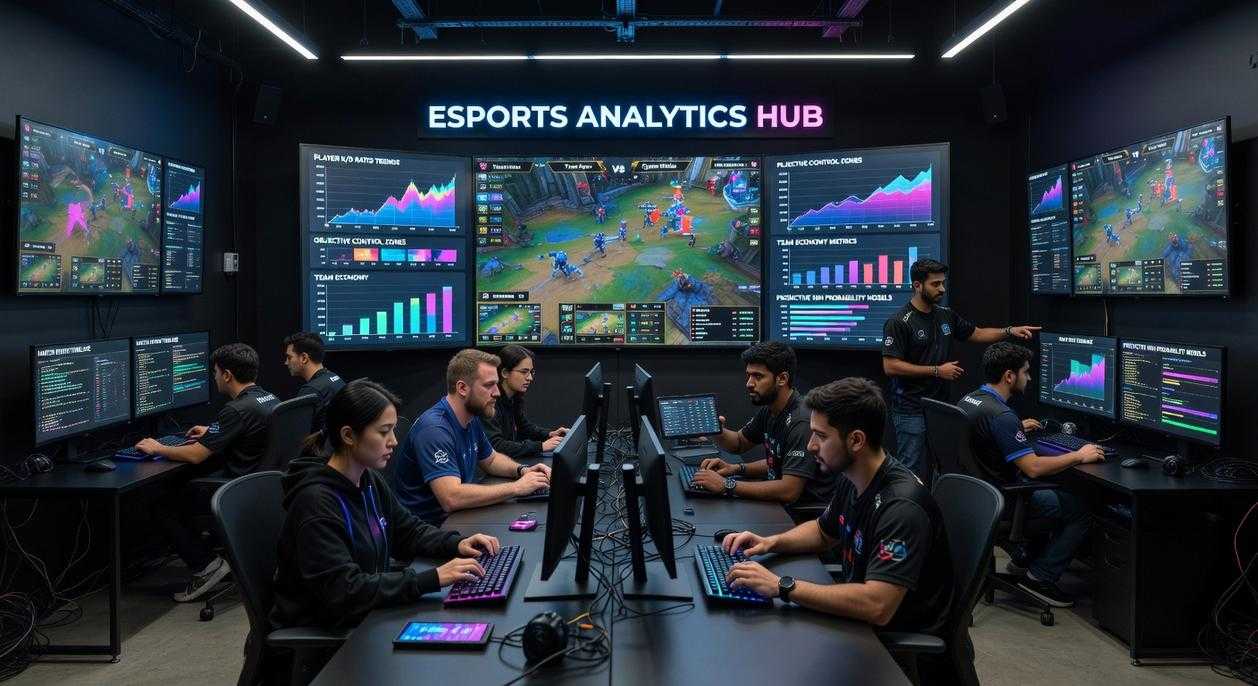
Competitive gaming is entering a new phase—one where artificial intelligence doesn’t just observe matches but actively shapes them. And the data already suggests this shift is well underway.
Trend 1: Real-Time Dynamic Difficulty Adjustment
First, consider dynamic matchmaking. Riot Games has published research showing that balanced matches significantly improve player retention (Riot Games Dev Blog). Building on that, AI systems could adjust matchmaking parameters between rounds—or even mid-series—to reduce “snowballing,” where one early advantage spirals out of control. In theory, this keeps games competitive longer. However, critics argue this borders on manipulation. If an algorithm subtly rebalances teams, are players truly winning on merit? That tension will define the next era of fairness debates.
Trend 2: AI-Powered Coaching and Onboarding
Meanwhile, AI-driven feedback systems are already proving effective. A 2023 Newzoo report found that 60% of new players quit competitive titles within their first month due to skill gaps. Personalized tips generated from ai match analysis esports tools can flag positioning errors, cooldown mismanagement, or risky rotations. Think of it as having a coach who never sleeps (and never sugarcoats your aim). The upside is faster improvement; the downside is potential over-reliance on algorithm-approved “optimal” play.
Trend 3: Pro-Scene Scouting
Finally, esports organizations increasingly rely on performance analytics to scout unsigned talent. Consistent high KDA ratios, objective control rates, and clutch percentages can reveal hidden stars before they trend on Twitch. Yet here’s the ethical wrinkle: unconventional players—those with creative, off-meta strategies—might be filtered out by systems trained on historical norms.
In other words, AI can elevate competition. But if not carefully designed, it could also standardize it.
Your Next Move: Turning AI Insights into Higher Ranks
Bad matches feel personal, but they’re predictable. “Why am I stuck with feeders?” a teammate once asked. The answer: the system rewards patterns, not emotions.
AI values consistent, objective-focused, positive team play above all else. As one coach told me, “Play the map, not the ego.” Consistency beats chaos every time.
- Track objective control rates
- Reduce avoidable deaths
Run your stats through Aim Lab or Mobalytics for ai match analysis esports insights.
“Fix what the AI sees,” a friend said. Optimize those metrics, and your climb becomes intentional, not accidental progress.
Level Up Your Competitive Edge with Smarter Esports Insights
You came here looking for a clearer understanding of how to gain an advantage in today’s hyper-competitive esports environment—and now you have it. From performance tracking to smarter decision-making, you’ve seen how ai match analysis esports is reshaping the way players and teams prepare, adapt, and win.
The reality is simple: guessing costs games. Whether you’re grinding ranked matches or competing in high-stakes tournaments, falling behind on strategy, data, and optimization tools means falling behind on the scoreboard. Your biggest pain point isn’t effort—it’s clarity. And clarity comes from the right insights.
Now it’s time to act. Start integrating advanced match analysis tools into your workflow, review your gameplay data consistently, and optimize your setup for peak performance. Don’t just play harder—play smarter.
Join thousands of competitive gamers who rely on cutting-edge insights and proven strategies to stay ahead of the meta. If you’re serious about winning more matches and maximizing every session, explore the latest tools, guides, and expert breakdowns today—and take control of your competitive future.
 Nicole Pettigrewayde is the kind of writer who genuinely cannot publish something without checking it twice. Maybe three times. They came to game strategy insights through years of hands-on work rather than theory, which means the things they writes about — Game Strategy Insights, Hot Topics in Gaming, Expert Breakdowns, among other areas — are things they has actually tested, questioned, and revised opinions on more than once.
That shows in the work. Nicole's pieces tend to go a level deeper than most. Not in a way that becomes unreadable, but in a way that makes you realize you'd been missing something important. They has a habit of finding the detail that everybody else glosses over and making it the center of the story — which sounds simple, but takes a rare combination of curiosity and patience to pull off consistently. The writing never feels rushed. It feels like someone who sat with the subject long enough to actually understand it.
Outside of specific topics, what Nicole cares about most is whether the reader walks away with something useful. Not impressed. Not entertained. Useful. That's a harder bar to clear than it sounds, and they clears it more often than not — which is why readers tend to remember Nicole's articles long after they've forgotten the headline.
Nicole Pettigrewayde is the kind of writer who genuinely cannot publish something without checking it twice. Maybe three times. They came to game strategy insights through years of hands-on work rather than theory, which means the things they writes about — Game Strategy Insights, Hot Topics in Gaming, Expert Breakdowns, among other areas — are things they has actually tested, questioned, and revised opinions on more than once.
That shows in the work. Nicole's pieces tend to go a level deeper than most. Not in a way that becomes unreadable, but in a way that makes you realize you'd been missing something important. They has a habit of finding the detail that everybody else glosses over and making it the center of the story — which sounds simple, but takes a rare combination of curiosity and patience to pull off consistently. The writing never feels rushed. It feels like someone who sat with the subject long enough to actually understand it.
Outside of specific topics, what Nicole cares about most is whether the reader walks away with something useful. Not impressed. Not entertained. Useful. That's a harder bar to clear than it sounds, and they clears it more often than not — which is why readers tend to remember Nicole's articles long after they've forgotten the headline.